1920
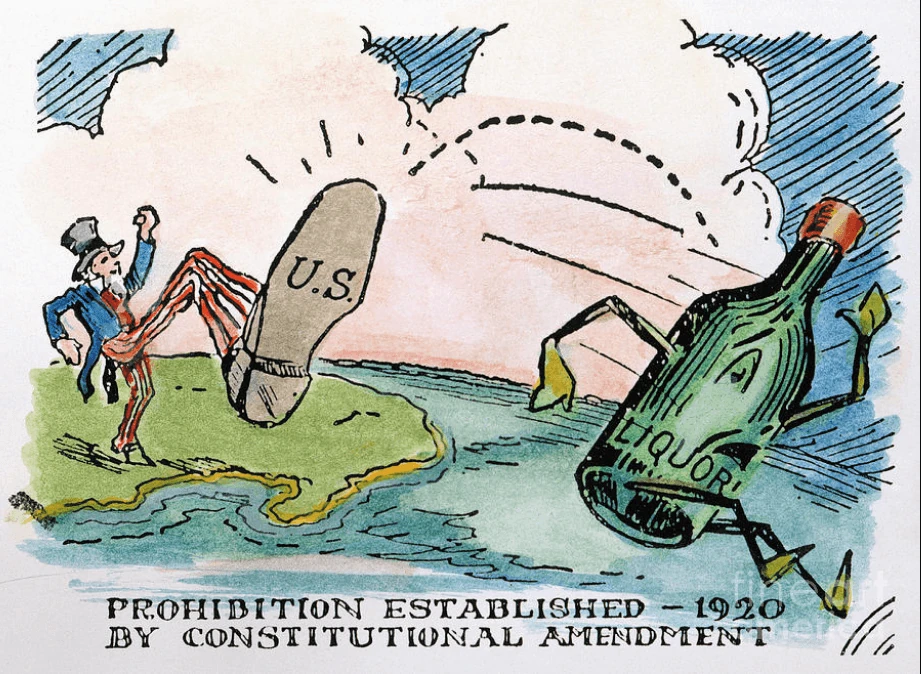
Prohibition begins in the United States.

*may include myth and/or legend
Carl Jeppson emigrates from Ystad, Sweden, to Chicago’s Swedish neighborhood near Clybourn Ave. and Division St. Carl worked as a cigar maker, and his wife as a Chicago Public Schools teacher.
Prohibition begins in the United States.
Carl Jeppson produces his Swedish-style bäskbrännvin and sells it as a medicinal product, avoiding regulation due to its notoriously unpleasant taste.
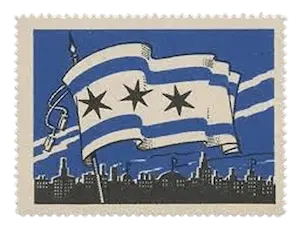
The era of the three-star Chicago flag begins.
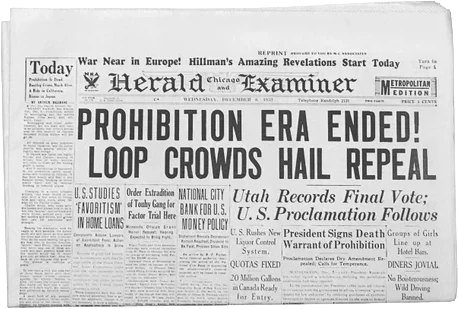
Prohibition ends. Jeppson’s Malört is first produced under its modern name.
Bielzoff Products purchases the Jeppson’s Recipe from Carl Jeppson and creates the Malort label and crest.
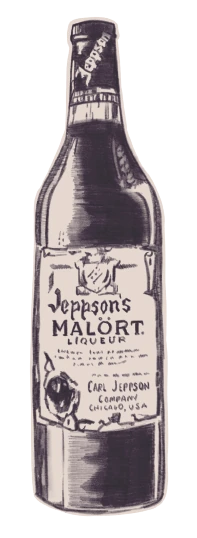
Before the end of World War II, George Brode, VP of Bielzoff Products, buys the company. Jeppson’s Malört is sold in glass bottles containing a stem of wormwood.
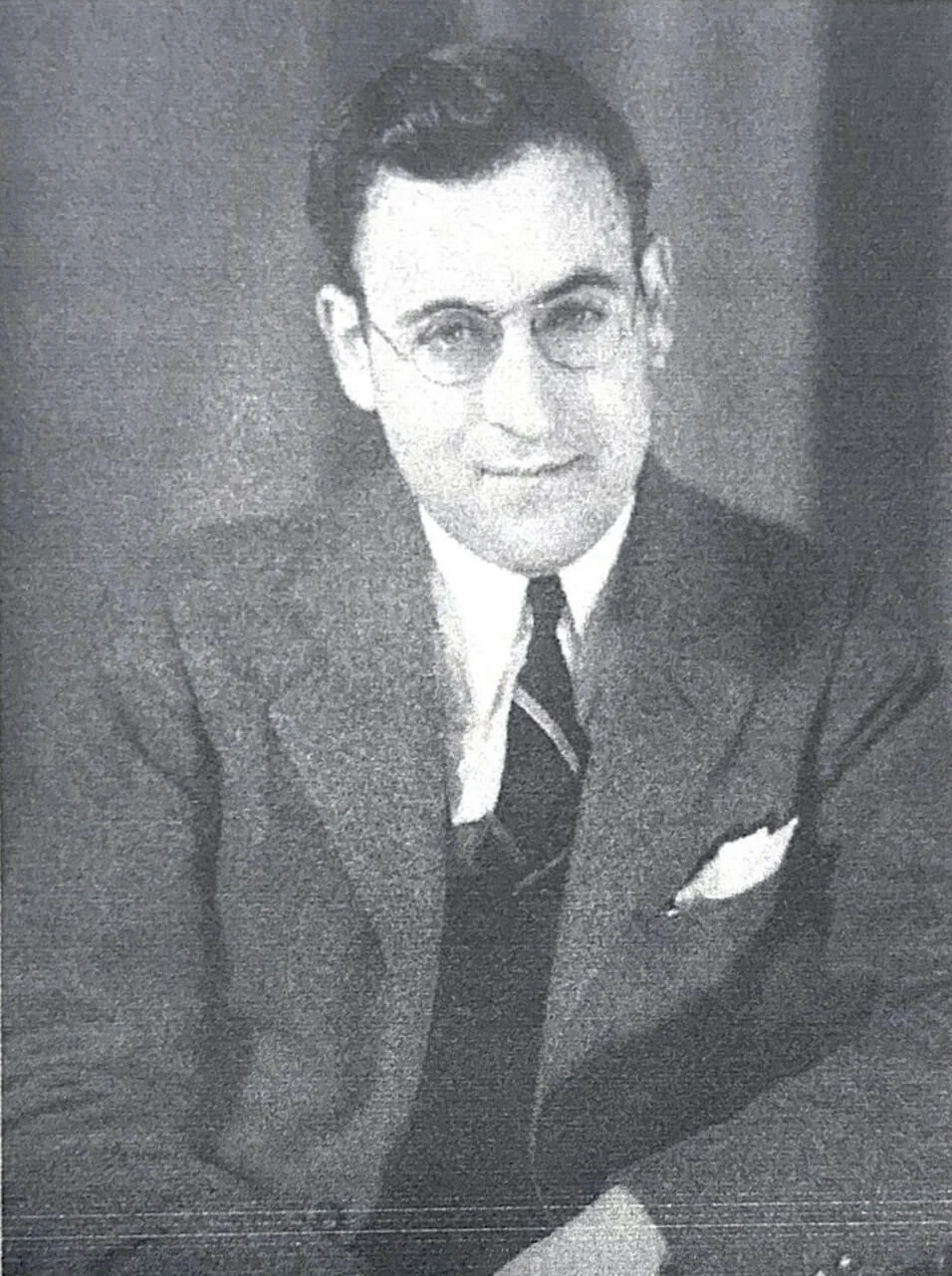
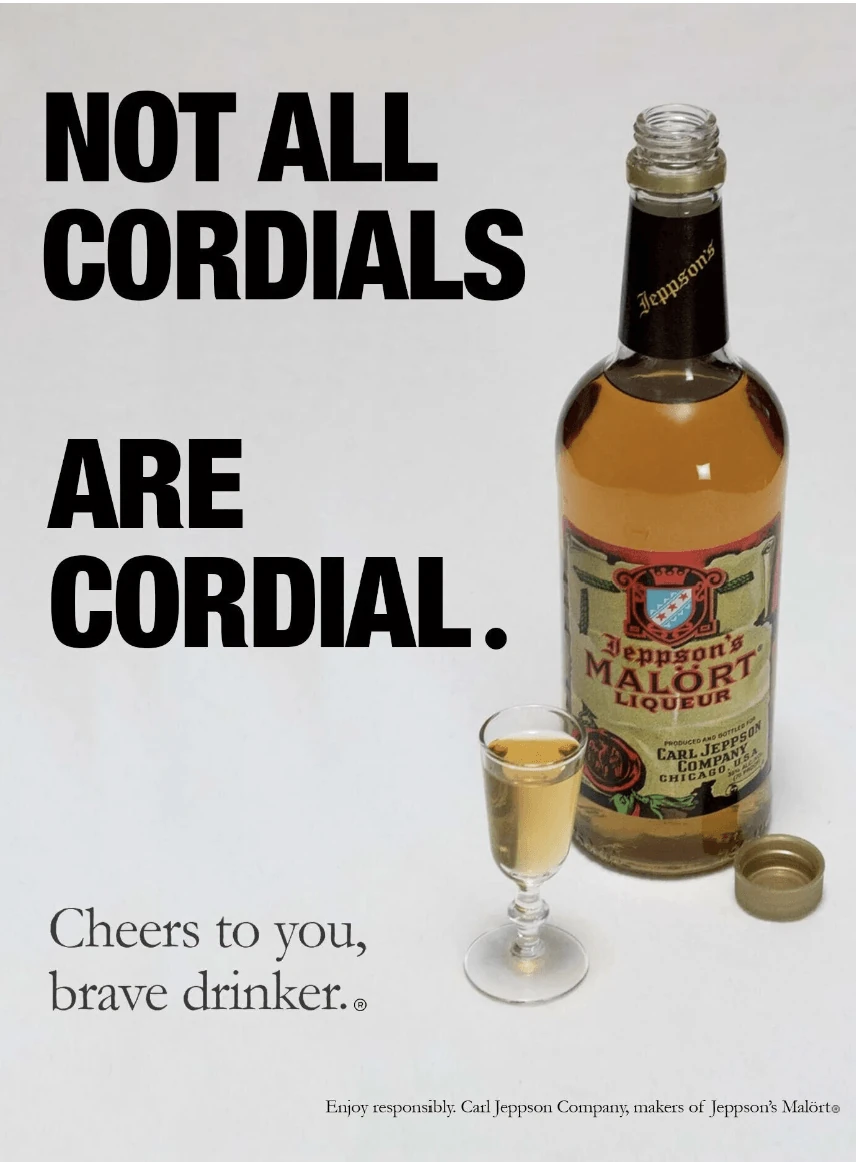
George Brode selects Chicago's Mar-Salle Distillery for production and bottling. He amplifies the Malort brand by embracing its absurdity, using humor and wit to revolutionize Malort’s marketing.
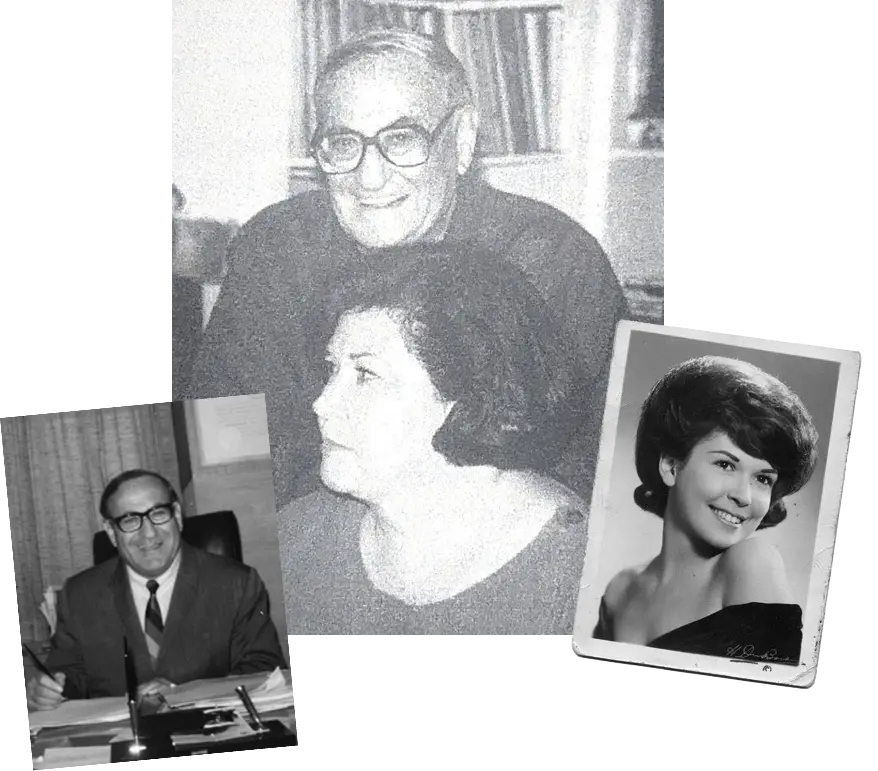
Patricia Gabelick is hired as George Brode’s legal secretary.
Mar-Salle Distillery closes. Malört distillation moves to Florida, and the practice of including a wormwood stem in each bottle is discontinued.
George Brode passes away, leaving the company to Patricia Gabelick.
Sam Mechling begins promoting Jeppson’s Malört through social media with a comedic flair, elevating the brand to a Chicago cultural icon.
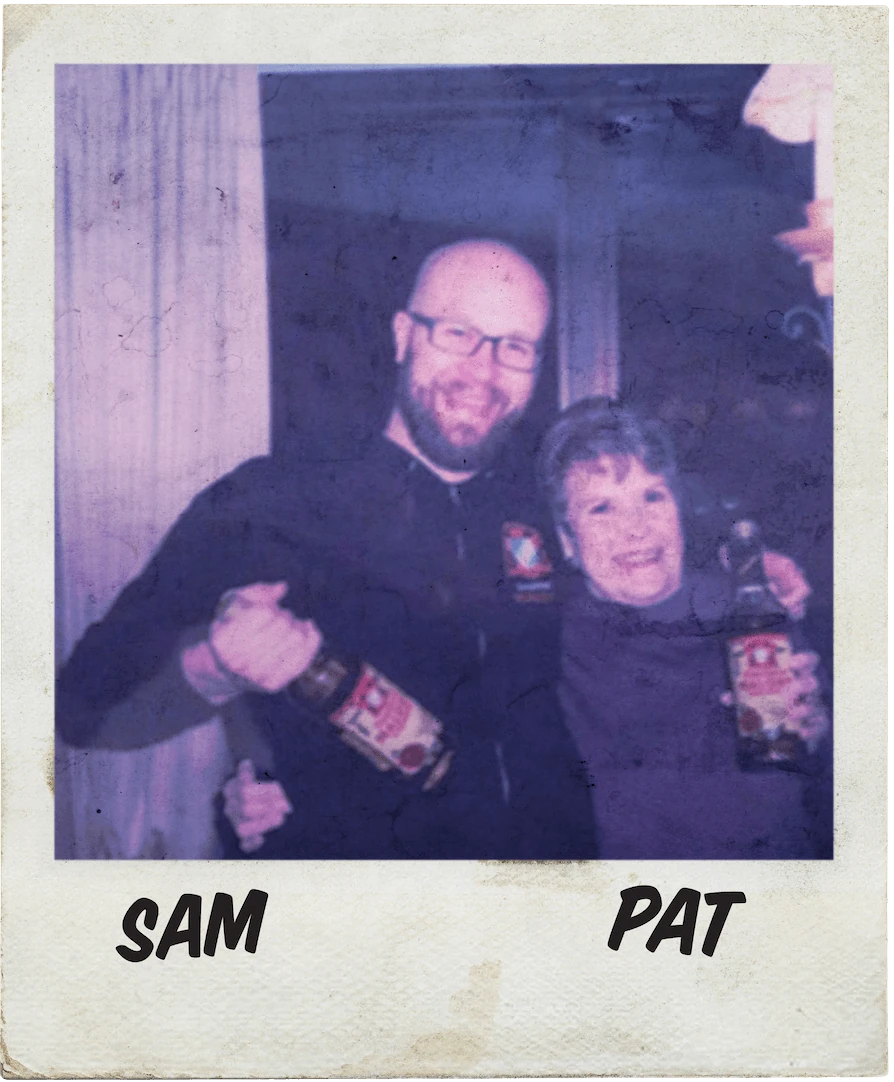
Sam Mechling’s unlicensed Malört merchandise leads to a meeting with Patricia Gabelick, who hires him instead of pursuing legal action. Malört sales surge due to grassroots marketing and growing fan enthusiasm.
CH Distillery opens, producing locally sourced, high-quality traditional and specialty spirits.
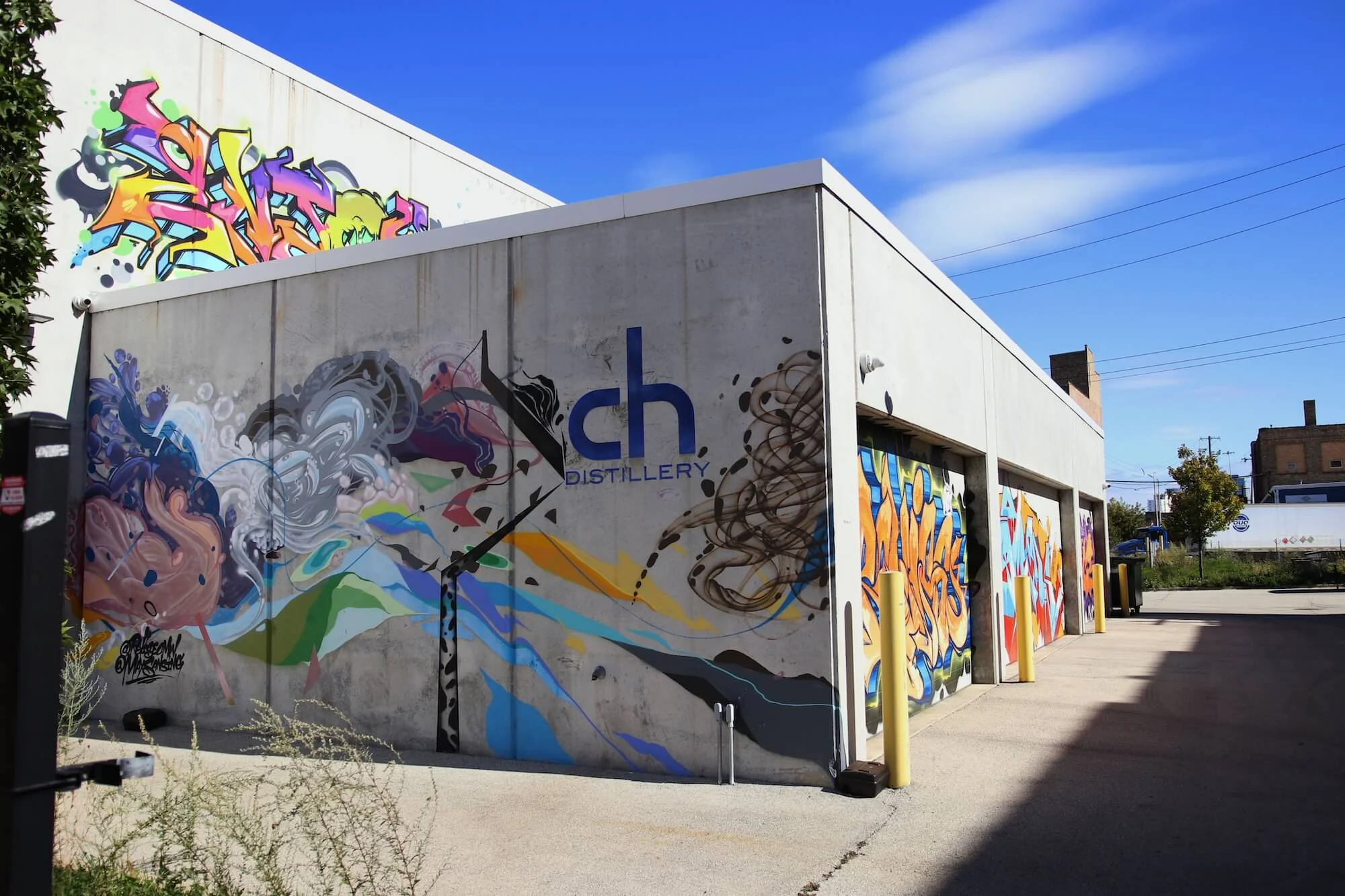
CH Distillery acquires the Carl Jeppson Company, bringing Malört production back to Chicago.
Malört becomes a nationally recognized brand.
Nearly a century after Prohibition, Malört remains unchanged, unsoftened, and deeply committed to being exactly what it is.